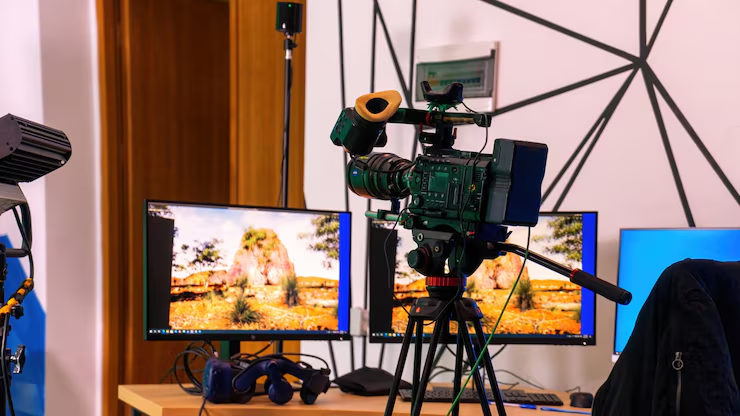
Indonesia has witnessed a significant boom in its creative economy, especially within the film industry. From award-winning independent films to box office commercial hits, the country’s cinematic landscape is thriving like never before. A media production house in Indonesia today plays a pivotal role in this ecosystem, acting as a bridge between creative vision and professional execution.
Starting a film production house in Indonesia is more than just a business venture—it’s about storytelling, culture, and impact. Whether you’re an aspiring producer, a creative director, or an independent filmmaker in Indonesia, understanding the industry’s structure and opportunities is key to building a sustainable production company.
The rise of independent filmmakers in Indonesia has introduced fresh voices, diverse narratives, and experimental formats, making the local industry more vibrant and dynamic. Platforms like Netflix, Disney+, and local streaming services such as Vidio and KlikFilm have amplified demand for original Indonesian content.
However, the industry also presents challenges such as budget constraints, infrastructure limitations, and navigating bureaucracy. This guide will help you understand how to build a production house in Indonesia, what to prepare, and how to maximize your potential in the local and international market.
Before starting a production house, it’s essential to conduct thorough market research. Understand what kind of content resonates with Indonesian audiences and what platforms they consume the most. For example, horror, drama, and comedy are among the most popular genres locally.
Assess the competition. Study successful media production houses in Indonesia such as Visinema Pictures, Rapi Films, and Miles Films. What kind of content do they produce? How do they market their films? What makes them stand out?
It’s also crucial to identify your target audience and potential collaborators—scriptwriters, directors, cinematographers, and production crew. Building relationships early on will create a network that you can rely on during your first projects.
Don’t forget to explore regional markets. Indonesia is an archipelago with diverse cultures. A film that resonates in Java might have different relevance in Papua or Sumatra. Understanding these regional nuances can help shape more inclusive and authentic storytelling.
Setting up a production house in Indonesia requires going through a series of legal and administrative steps. First, decide on your business structure: PT (Perseroan Terbatas or Limited Liability Company) is the most common for production businesses. Foreign ownership is allowed under certain conditions, but local partnerships are often encouraged.
Here are the typical legal steps:
Register your company with the Ministry of Law and Human Rights.
Obtain a Taxpayer Identification Number (NPWP).
Apply for a Business Identification Number (NIB) through the OSS (Online Single Submission) system.
Acquire a film production license (Surat Tanda Usaha Perfilman) from the Ministry of Education, Culture, Research, and Technology.
Make sure you’re compliant with censorship regulations and have a clear understanding of Indonesia’s intellectual property rights laws, especially regarding film distribution and copyright.
If you plan to collaborate with foreign partners or distribute your content overseas, it’s best to consult a legal advisor with experience in the Indonesian film industry to avoid any regulatory pitfalls.
Once you’re legally established, it’s time to build your team and secure resources. A production house is only as strong as the people behind it. Start by hiring essential staff:
Producers
Directors
Editors
Cinematographers
Sound engineers
Marketing personnel
You don’t need to hire everyone at once. Consider freelancers or part-time collaborators, especially if you’re starting small. Many independent filmmakers in Indonesia build their teams project-by-project before hiring full-time staff.
You will also need equipment and a workspace. While high-end gear is ideal, many startups rent equipment until they generate enough revenue to buy their own. Consider co-working studios or shared spaces to cut costs initially.
Also, look into film business tips shared by industry veterans in podcasts, YouTube, or local film schools. These insights can help you make smarter decisions when it comes to budgeting, planning, and networking.
Indonesia’s film industry has enormous potential, but it’s not without hurdles. One of the most prominent challenges is funding. Many young production houses rely on personal savings or crowdfunding to get started. Access to grants and government support is still limited, although there are growing efforts to improve this.
Another major challenge is distribution. Traditional cinemas are still dominated by major studios. However, digital streaming platforms have opened new doors, especially for independent filmmakers in Indonesia. By focusing on quality storytelling and niche audiences, smaller studios can find success online.
Piracy also remains a concern. Protecting your content and working with legal distribution channels is essential to sustain your business.
On the bright side, the demand for Indonesian stories is growing—not just locally, but globally. Festivals like the Jogja-NETPAC Asian Film Festival and the Jakarta Film Week are platforms where local talents gain international exposure. Collaborations between Indonesian production houses and global platforms such as Netflix Originals (e.g., “Ali & Ratu Ratu Queens”) are signs of a maturing industry.